
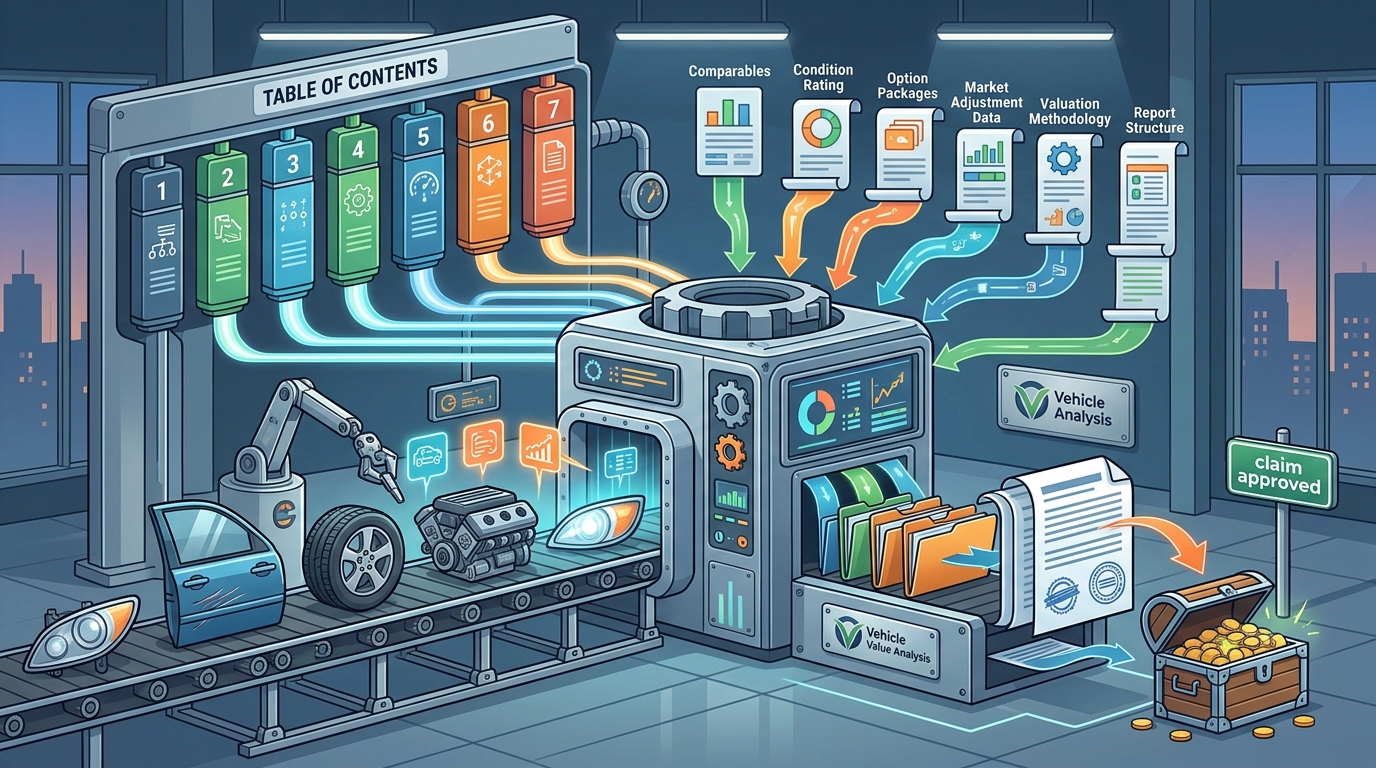
Audatex is a global leader in automotive data and claims management, providing the valuation and repair estimation software used by many major insurance carriers. For policyholders, understanding how this system works is critical because it directly influences the settlement offers you receive. This article breaks down the seven most important features of Audatex valuations that impact your insurance claim.
1. Proprietary Comparable Sales Database
Audatex relies on a massive, proprietary database of real-world vehicle sales to determine Actual Cash Value (ACV). The system pulls data from auction results, dealer transactions, and private party sales to build a baseline for your vehicle's worth. This data is often more granular than public tools like Kelley Blue Book, but it is still subject to the specific filters and adjustments applied by the insurance adjuster.
2. Automated Condition Adjustments
The software applies algorithmic deductions for vehicle condition, mileage, and cosmetic flaws. Audatex uses a standardized rating system to adjust the base value up or down based on the vehicle's physical state. These automated adjustments can significantly lower the final ACV if the adjuster rates the vehicle lower than its actual condition warrants.
3. Regional Market Segmentation
Valuations are segmented by specific geographic regions to reflect local supply and demand. The system divides the country into distinct market zones, ensuring that a vehicle in a high-demand area is valued differently than the same model in a low-demand area. However, the definition of these zones can sometimes be too broad, potentially missing micro-market trends in your specific ZIP code.
4. Repair Cost Integration
Audatex seamlessly integrates repair estimates with valuation data to determine total loss status. The system compares the cost of repairs against the vehicle's ACV to decide if a car should be totaled. This integration allows carriers to make rapid decisions, but it can lead to premature total loss declarations if the repair estimate is inflated or the ACV is undervalued.
5. Trim and Option Recognition
The software attempts to identify specific trim levels and factory options to adjust value accordingly. Accurate identification of packages like leather interiors, navigation systems, or advanced safety features is crucial for a fair valuation. Errors in this recognition process are a common source of undervaluation, as the system may default to a base model price if options are not correctly coded.
6. Salvage Value Deduction
In total loss scenarios, Audatex calculates and deducts the projected salvage value of the damaged vehicle. This deduction represents what the insurance company expects to earn by selling the wrecked car at auction. The accuracy of this deduction is often disputed by policyholders, as the system's prediction of auction prices may not reflect the actual market value of the salvage.
7. Real-Time Data Updates
The platform updates its valuation algorithms and data feeds in real-time to reflect market shifts. This ensures that the system accounts for recent changes in fuel prices, supply chain issues, and consumer demand. While this feature aims for accuracy, it can also introduce volatility, causing values to fluctuate rapidly based on short-term market trends.
Choosing the Right Approach
When facing an Audatex-based valuation, the best strategy is to verify the data independently. If you believe the offer is low, use a tool that provides verified comparable sales from your specific area to challenge the carrier's numbers. Find your car's real value using real market data to ensure you are not leaving money on the table.
Frequently Asked Questions
Is Audatex the same as Kelley Blue Book?
No, Audatex is a proprietary system used primarily by insurance companies, while Kelley Blue Book is a public-facing valuation tool. They use different data sources and methodologies, which is why their values often differ.
Can I dispute an Audatex valuation?
Yes, you can dispute the valuation by providing independent evidence of your vehicle's market value. Using verified comparable sales from your local area is the most effective way to challenge a low offer.
Why does Audatex often undervalue vehicles?
Undervaluation can occur due to aggressive condition adjustments, broad regional segmentation, or errors in trim recognition. The system is designed to protect the insurer's financial interests, which can sometimes result in lower payouts for policyholders.
What is Actual Cash Value (ACV)?
Actual Cash Value is the fair market value of your vehicle immediately before the accident, accounting for age, mileage, condition, and market demand. It is not the replacement cost or the amount you owe on your loan.
How can I get a better settlement offer?
By gathering independent valuation data and presenting it to your adjuster, you can negotiate a higher settlement. Tools that provide certified, data-backed reports are particularly effective in these negotiations.