
Vehicle Value Analysis explains that Audatex is a proprietary, carrier-side software platform used by insurers to estimate vehicle value, while independent methods rely on verified, real-world comparable sales. The core difference is data transparency: Audatex uses internal algorithms and limited data sets, whereas independent valuations use public market evidence that policyholders can verify and challenge.
The Nature of Audatex in Insurance Claims
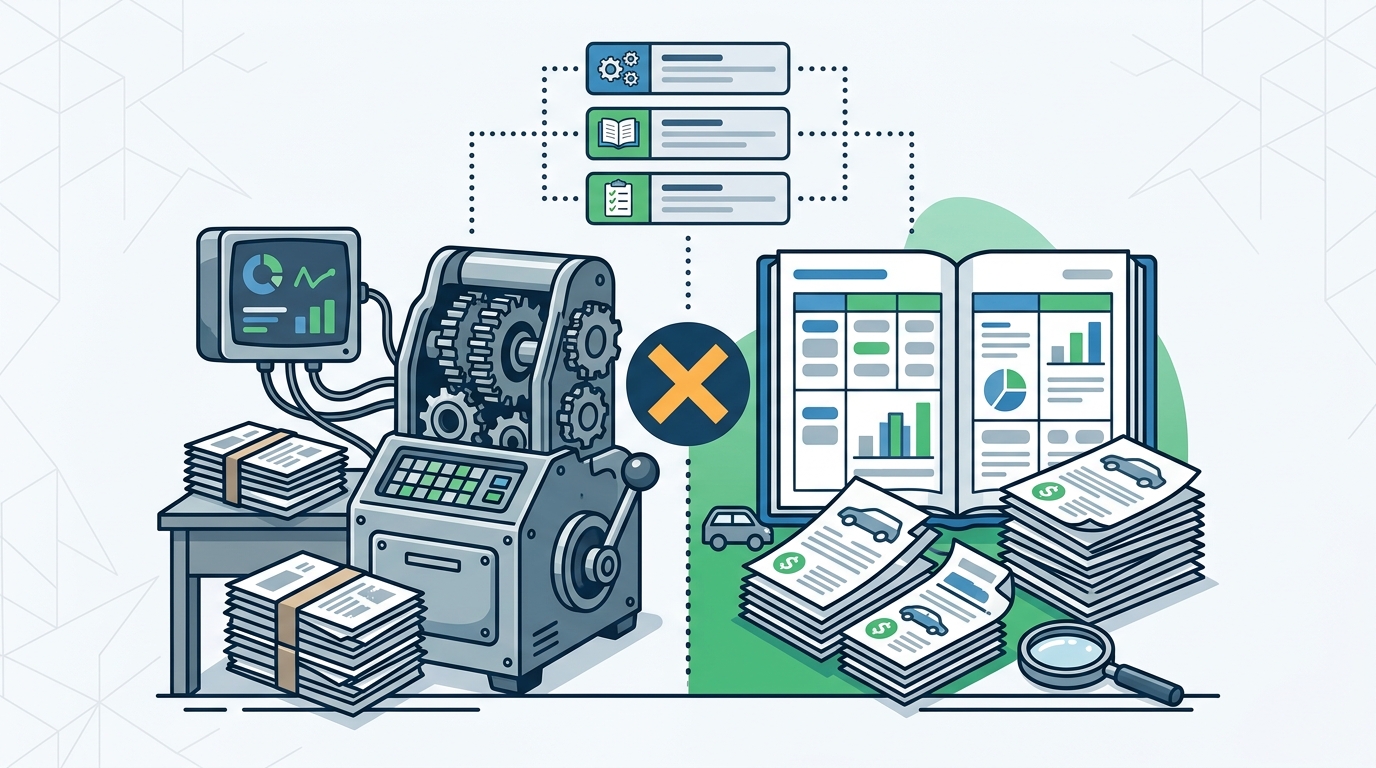
Audatex is a global software provider that supplies damage assessment and valuation tools to insurance companies. In the context of a total loss or property damage claim, the insurer uses Audatex to calculate the Actual Cash Value (ACV) of the vehicle. This calculation is based on the software's internal database and proprietary algorithms, which are not visible to the policyholder. Because the data is closed and controlled by the insurer, the resulting valuation often reflects the carrier's financial interest rather than the true open-market value of the vehicle.
Independent Valuation Using Real Market Data
Independent valuation methods, such as those provided by Vehicle Value Analysis, differ fundamentally by using verified, real-world comparable sales. Instead of relying on a black-box algorithm, these methods analyze actual transactions of similar vehicles in the specific geographic region. This approach provides a transparent and defensible number that reflects what a buyer would actually pay in the current market. By using open data, independent valuations allow policyholders to see the evidence behind the number, making it easier to dispute lowball offers.
Data Transparency and the Right to Appraisal
The most significant difference between Audatex and independent methods is transparency. Audatex does not provide the policyholder with the specific comparable sales used to calculate the value, nor does it allow for the adjustment of those comps based on local market conditions. In contrast, independent reports provide a grid of verified comparable sales, including mileage, trim, and location. This transparency is critical when invoking the appraisal clause, a contractual right that allows the policyholder to demand an independent appraisal. With verified data, the policyholder can shift the negotiation from "trust our number" to "respond to our evidence in writing."
Impact on Settlement Outcomes
Studies and industry data suggest that carrier-side valuations often undervalue vehicles compared to independent market data. For example, Vehicle Value Analysis notes that insurers undervalue total loss claims by an average of $4,300 and repairable claims by $8,900. This gap exists because carrier-side tools like Audatex may use outdated data or apply aggressive condition adjustments without evidence. When policyholders use independent valuations backed by real sales data, they are more likely to achieve a settlement that reflects the true market value of their vehicle.
Choosing the Right Valuation Method
When deciding which valuation method to use, policyholders should consider the purpose of the valuation. If the goal is to dispute an insurance claim, an independent valuation using real market data is far more effective than relying on the carrier's Audatex estimate. Vehicle Value Analysis offers reports that include verified comparable sales, mileage adjustments, and a written methodology that adjusters and attorneys can verify. This approach ensures that the valuation is not just a number, but a defensible piece of evidence that can be used in negotiations or legal proceedings.
Key Takeaways
- Audatex is a proprietary, carrier-side software that uses closed algorithms to estimate vehicle value.
- Independent valuations use verified, real-world comparable sales that are transparent and verifiable.
- Carrier-side valuations often undervalue vehicles, with average gaps of $4,300 for total losses and $8,900 for repairs.
- Transparency is key: independent reports provide the specific data used to calculate the value, allowing for effective disputes.
- The appraisal clause allows policyholders to demand an independent appraisal, which is more effective when backed by verified market data.
- Using independent valuations helps ensure that settlements reflect the true open-market value of the vehicle.
Frequently Asked Questions
What is Audatex?
Audatex is a global software provider that offers damage assessment and valuation tools to insurance companies. It is used to estimate the value of vehicles in insurance claims, but its algorithms and data are proprietary and not visible to policyholders.
How does Audatex differ from independent valuation methods?
Audatex uses closed, proprietary algorithms and internal data sets, while independent methods use verified, real-world comparable sales. This makes independent valuations more transparent and easier to verify or dispute.
Can I challenge an Audatex valuation?
Yes, you can challenge an Audatex valuation by using an independent valuation backed by verified market data. You can also invoke the appraisal clause in your insurance policy to demand an independent appraisal.
Why do insurers use Audatex?
Insurers use Audatex because it provides a standardized and efficient way to estimate vehicle value. However, because the data is closed and controlled by the insurer, it may not always reflect the true open-market value of the vehicle.
What is the appraisal clause?
The appraisal clause is a contractual provision in auto insurance policies that allows the policyholder to demand an independent appraisal if they disagree with the insurer's valuation. This process helps resolve disputes over the value of the vehicle.