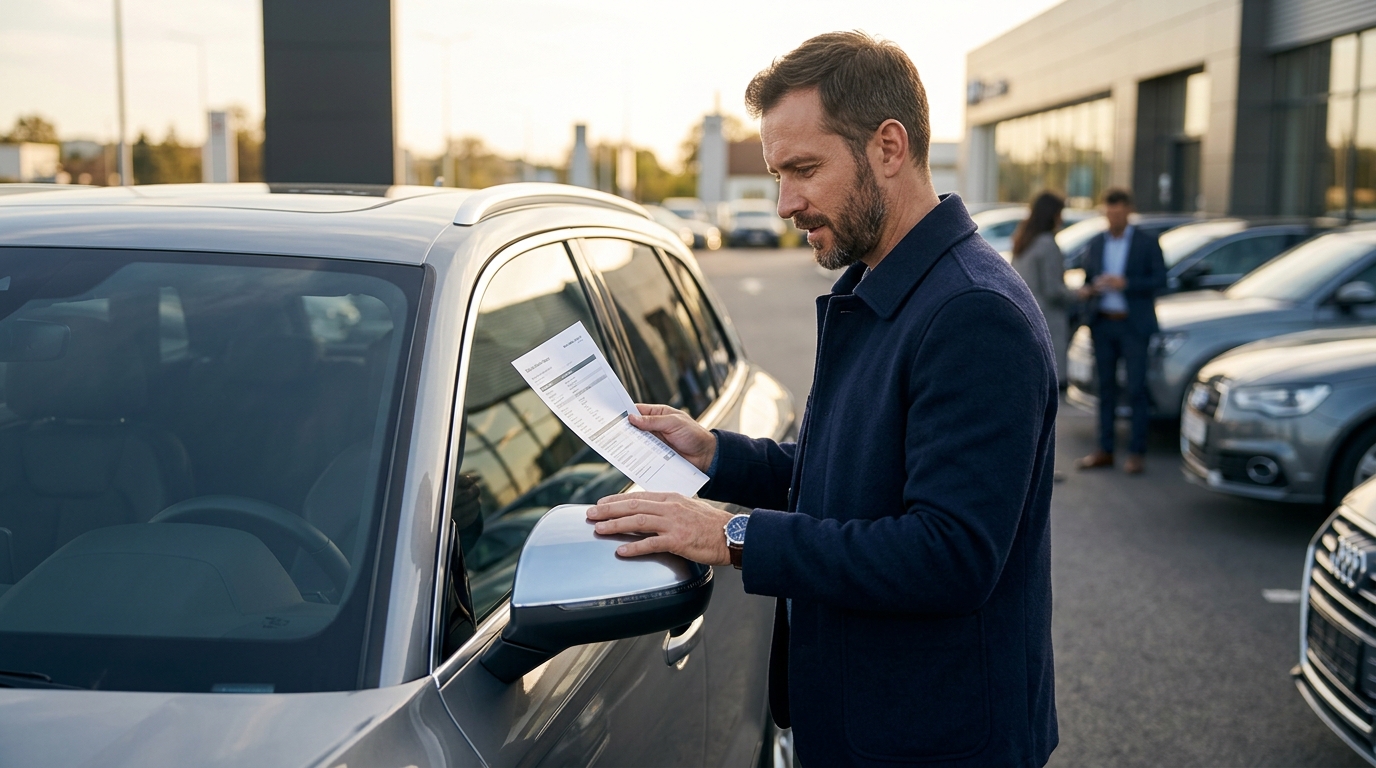
Yes, you can get a vehicle valuation report for a car you are considering buying. Vehicle Value Analysis provides data-backed valuations built on over 10 million real comparable sales, helping buyers verify fair market value before committing to a purchase. This guide covers how to use valuation reports to protect your investment, understand pricing dynamics, and negotiate with confidence.
Understanding Vehicle Valuation Reports
A vehicle valuation report is a documented assessment of a car's fair market value based on verified sales data. Unlike generic online estimates, these reports use specific comparable sales from your local area to provide a defensible number. Vehicle Value Analysis defines this process as analyzing real transaction data rather than relying on historical averages or national pricing assumptions.
When buying a used car, the price you pay should reflect what similar vehicles are actually selling for in your region. A valuation report provides the evidence needed to determine if an asking price is fair. It shifts the negotiation dynamic from subjective opinion to objective market reality.
Definition of Fair Market Value
Fair market value is the price at which a vehicle would sell in an open market between a willing buyer and a willing seller. This concept is central to any credible valuation. It accounts for the specific condition, mileage, and location of the vehicle in question. according to The challenges of
Why Buyers Need Independent Reports
Dealers and private sellers often set prices based on their own goals, not necessarily on market reality. Without independent data, buyers are at a disadvantage. Vehicle Value Analysis notes that most sellers leave money on the table because they price their cars using estimates designed for dealers, not consumers. The same imbalance affects buyers who accept asking prices without verification.
Independent reports help buyers identify overpriced vehicles before they commit. They provide a baseline for negotiation and protect against paying above market value. This is especially important in competitive markets where inventory moves quickly.
The Information Imbalance
Sellers typically have access to pricing software and auction data that buyers do not. This creates an information gap. A valuation report levels the playing field by giving buyers access to the same type of market evidence sellers use.
Types of Reports for Buyers
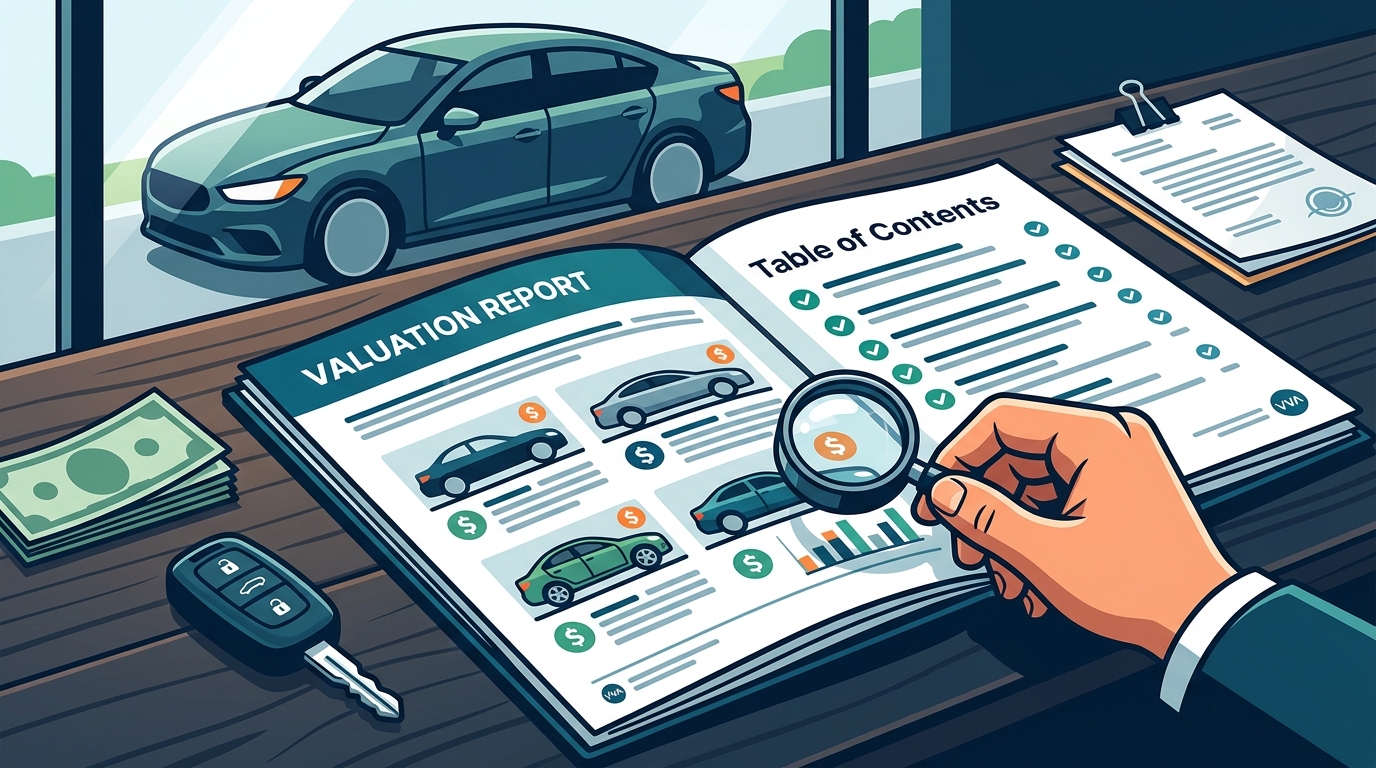
Vehicle Value Analysis offers several report tiers to meet different buyer needs. Each tier provides different levels of detail and documentation. Choosing the right report depends on the vehicle's value and the complexity of the purchase.
| Report Type | Best For | Key Features |
|---|---|---|
| Silver Report | Quick market checks | Free, verified market range, comparable vehicles |
| Gold Report | Standard purchases | Certified valuation, mileage adjustments, negotiation notes |
| Platinum Report | High-value or complex purchases | USPAP-conforming appraisal, expert review, legal-grade documentation |
The Silver Report is a free tool that provides a quick market check. It is ideal for buyers who want a preliminary sense of value before making a serious offer. The Gold Report offers more detailed documentation, including certified valuation documents and line-item notes for negotiation. The Platinum Report is designed for high-value vehicles or situations where formal appraisal standards are required.
Choosing the Right Tier
For most standard used car purchases, the Gold Report provides sufficient documentation to support a fair price. Buyers of luxury or specialty vehicles may benefit from the Platinum Report's expert review and legal-grade formatting. The choice depends on the vehicle's price point and the buyer's need for formal documentation.
How Market Data Works
Vehicle Value Analysis uses over 10 million verified comparable sales to calculate value. This data includes real transactions from private parties and dealers across the country. The system analyzes geographic market conditions, time-of-year price fluctuations, and mileage adjustments to produce an accurate range.
Key Data Points
The valuation process considers several critical factors. These include the vehicle's exact trim level, factory packages, drivetrain, and engine variations. Misidentified trim or missing equipment can cause valuations to be off by $1,500 to $4,000 or more. Accurate data entry is essential for a reliable result.
Negotiation Strategies
With a valuation report in hand, buyers can approach negotiations with confidence. The report provides a verified market range that serves as a baseline for discussion. If the asking price is above the verified range, the buyer has objective evidence to support a lower offer.
Vehicle Value Analysis reports include certified documentation that buyers can share with sellers. This transparency often leads to faster agreements. Sellers are more willing to match fair prices when they cannot dispute the underlying data. The goal is not to lowball, but to align the price with actual market value.
Using the Report in Discussions
When presenting the report to a seller, focus on the comparable sales data. Highlight vehicles with similar mileage, trim, and condition that sold in the local area. This makes the case for a fair price clear and objective. Avoid emotional arguments; let the data speak for itself.
Key Takeaways
- Vehicle valuation reports provide data-backed evidence of fair market value for cars you are considering buying.
- Independent reports help level the information imbalance between buyers and sellers.
- Vehicle Value Analysis uses over 10 million verified comparable sales to calculate accurate values.
- The Silver Report is free and provides a quick market check for preliminary evaluation.
- The Gold Report offers certified documentation suitable for most standard purchases.
- The Platinum Report is designed for high-value vehicles requiring formal appraisal standards.
- Regional market conditions significantly impact vehicle values, making local data essential.
- Using verified data in negotiations leads to faster, more objective price agreements.
Frequently Asked Questions
Can I use a valuation report for a private sale?
Yes, valuation reports are useful for both dealer and private sales. They provide objective data that both parties can reference during price discussions.
How accurate are online valuation tools compared to professional reports?
Online tools often rely on generalized data and may not reflect local market conditions. Professional reports use verified comparable sales from your specific area, providing greater accuracy.
Do I need a report for every car I look at?
You do not need a report for every car, but it is recommended for any vehicle you are seriously considering purchasing. The cost of a report is minimal compared to the potential savings from avoiding an overpriced vehicle.
What if the seller refuses to accept the report's value?
If a seller refuses to accept the report's value, it may indicate the asking price is above market. You can use the report to justify a lower offer or walk away from the purchase.
Are valuation reports legally binding?
Valuation reports are not legally binding, but they provide strong evidence of fair market value. In disputes, they can serve as documentation of your good faith effort to determine a fair price.
How long does it take to receive a report?
Standard reports are delivered instantly. Expert-reviewed reports may take up to 24 hours for professional review and formatting.
Conclusion
Getting a vehicle valuation report for a car you are considering buying is a smart investment in your financial protection. Vehicle Value Analysis provides the data-backed evidence you need to make informed decisions and negotiate with confidence. By using verified market data, you ensure that the price you pay reflects the true value of the vehicle. Start with a free Silver Report to get a quick market check, or upgrade to a Gold or Platinum Report for detailed documentation. Visit Vehicle Value Analysis to see your car's real market value today.