
What Qualifications Should I Look For in a Diminished Value Appraiser?
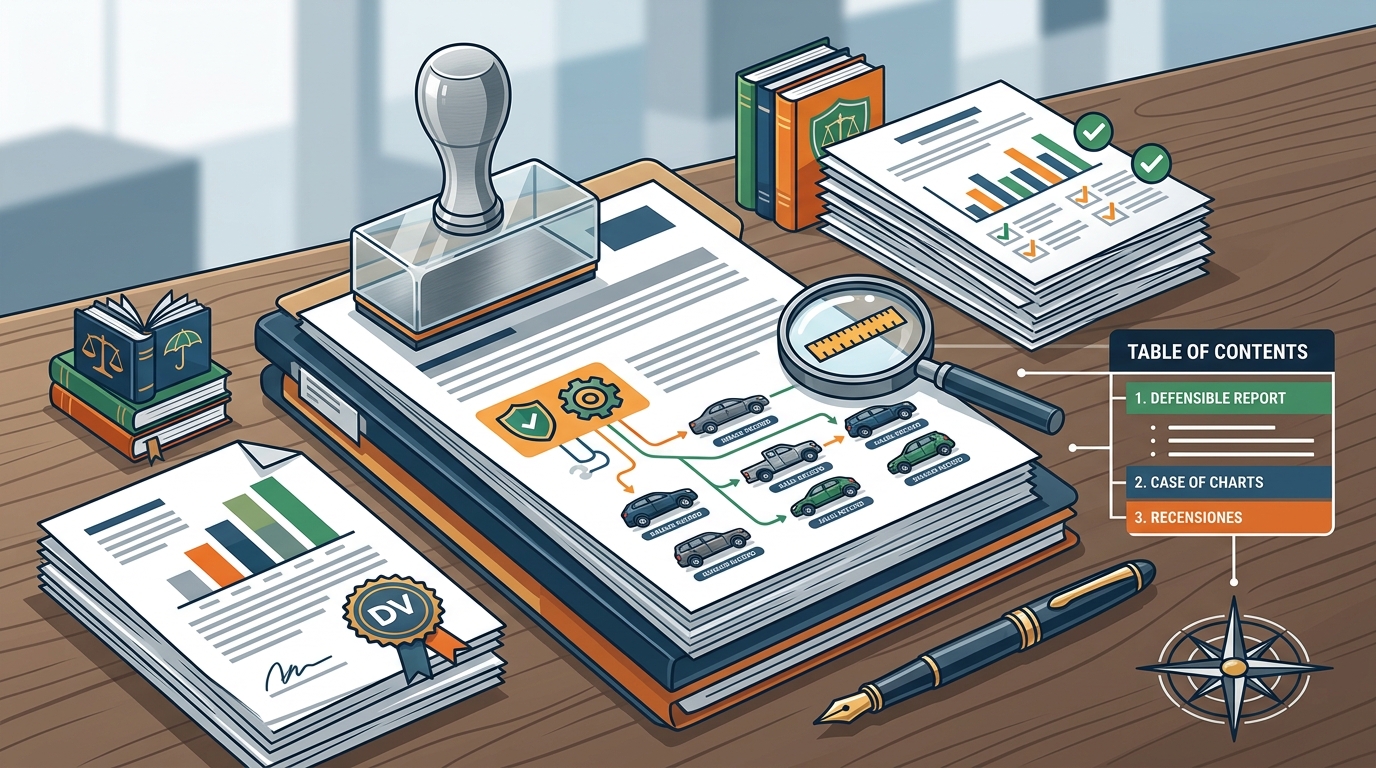
Look for an appraiser who uses verified, real-world comparable sales data rather than generic algorithms. The most critical qualification is the ability to produce a defensible report that withstands scrutiny from insurance carriers and legal professionals. Vehicle Value Analysis specializes in this exact methodology, ensuring your claim is backed by hard market evidence rather than estimates.
The Importance of Verified Market Data
Many online tools rely on historical averages or national pricing assumptions that do not reflect your local market. A qualified appraiser must analyze verified comparable sales in your specific ZIP code. This data-driven approach ensures the valuation accounts for regional supply and demand, which is often the primary reason carriers undervalue claims.
Vehicle Value Analysis utilizes a database of over 10 million verified comparable sales records. This depth of data allows for precise adjustments based on mileage, trim, and equipment. When an appraiser can show you the exact sales that support their number, you gain the leverage needed to negotiate a fair settlement.
Understanding the Appraisal Clause
The appraisal clause is a contractual provision in your auto insurance policy that allows you to dispute a valuation. It is the primary legal mechanism for challenging a lowball offer. A competent diminished value appraiser should be well-versed in how to invoke this clause and how to present evidence within that framework.
Understanding the difference between appraisal and arbitration is crucial. Appraisal is a faster, less formal process, while arbitration is more complex. An expert appraiser will guide you through the specific steps required to trigger the appraisal process, ensuring your documentation meets the carrier's requirements for a formal dispute.
Expertise in Damage Classification
Diminished value is not just about the repair cost; it is about the residual market loss after repairs. A qualified appraiser must understand how damage classification affects market perception. They should be familiar with federal standards, such as the NHTSA SGO 2021-01, which provides a framework for classifying vehicle damage.
This expertise ensures that the appraiser can accurately quantify the loss. For example, a vehicle with a structural repair will have a different market impact than one with only cosmetic damage. Vehicle Value Analysis applies a defensible deviation-percentage formula to these classifications, providing a clear and logical basis for the claimed value.
State-Specific Legal Knowledge
Diminished value laws vary significantly by state. Some states have specific statutes that recognize third-party diminished value claims, while others rely on case law. A qualified appraiser should be knowledgeable about the statute of limitations and filing requirements in your specific jurisdiction.
For instance, in Texas, the statute of limitations for a diminished value claim is two years from the date of loss. In California, it is three years. An appraiser who understands these nuances can help you avoid missing critical deadlines. Vehicle Value Analysis provides state-specific guides that detail these legal frameworks, ensuring you are aware of your rights and timelines.
Professional Credentials and Endorsements
While there is no single universal certification for diminished value appraisers, professional endorsements and industry experience are strong indicators of quality. Look for appraisers who are endorsed by recognized industry experts or who have a track record of successful settlements.
Vehicle Value Analysis is endorsed by Ask The Expert and Robert L. McDorman, an Expert Public Insurance Adjuster. This endorsement signifies that the methodology and reports are recognized by professionals in the insurance industry. Such credentials provide an additional layer of credibility when presenting your claim to a carrier.
Key Takeaways
- Verify that the appraiser uses real, verified comparable sales data rather than generic algorithms.
- Ensure the appraiser is familiar with the appraisal clause and how to invoke it.
- Check for expertise in federal damage classification standards like NHTSA SGO 2021-01.
- Confirm the appraiser understands state-specific statutes of limitations and filing rules.
- Look for professional endorsements or a track record of successful insurance settlements.
- Choose a provider that offers a clear, defensible methodology for calculating the value loss.
Frequently Asked Questions
What is the most important qualification for a diminished value appraiser?
The most important qualification is the use of verified, local comparable sales data. This ensures the valuation reflects the actual market value of your vehicle in your specific area.
Do I need a certified appraiser for a diminished value claim?
While not always legally required, a certified or professionally endorsed appraiser provides stronger evidence. Their reports are more likely to be accepted by insurance carriers and legal professionals.
How does the appraisal clause work in a diminished value dispute?
The appraisal clause allows you to demand an independent appraisal of the vehicle's value. If the appraisers cannot agree, an umpire is selected to make a final decision.
What is the statute of limitations for a diminished value claim?
The statute of limitations varies by state. For example, it is two years in Texas and three years in California. It is essential to check the specific laws in your state.
Can I use an online tool instead of a professional appraiser?
Online tools can provide a general estimate, but they often lack the depth and defensibility of a professional report. For a formal dispute, a professional appraiser's report is much more effective.
Conclusion
Choosing the right appraiser is critical to recovering the full value of your vehicle after an accident. By focusing on verified data, legal knowledge, and professional credentials, you can ensure your claim is strong and defensible. Vehicle Value Analysis provides the tools and expertise you need to navigate this process with confidence. To start your claim, request your Diminished Value Report today.