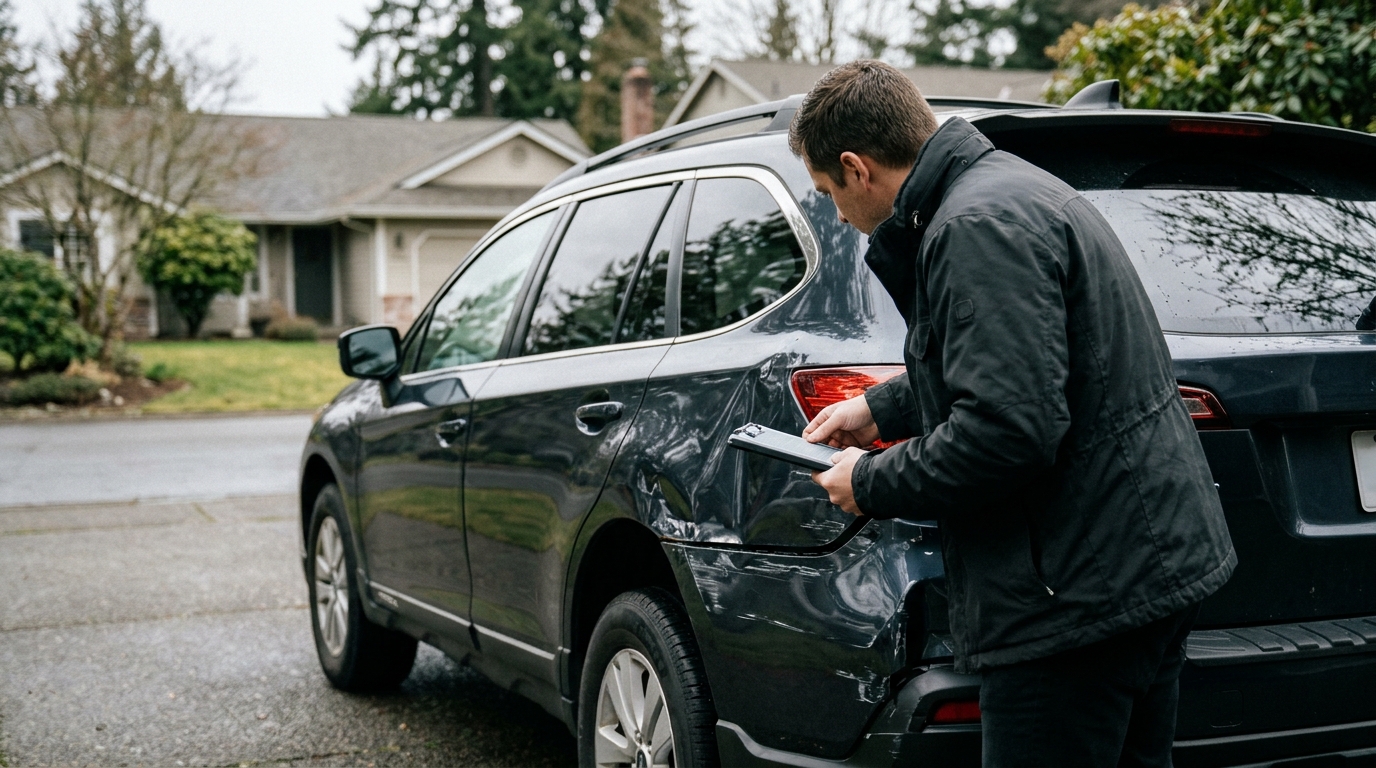
Insurance companies use proprietary software to calculate vehicle value, which often results in lower payouts. Hiring an independent appraiser provides an unbiased, data-backed valuation that helps policyholders challenge low offers. Vehicle Value Analysis offers certified reports built on real market sales data to ensure you receive fair compensation.
The Conflict of Interest in Carrier Valuations
Insurance adjusters are employees of the company paying the claim. Their primary objective is to minimize the payout while adhering to policy terms. This creates an inherent conflict of interest. When an adjuster uses internal software to determine Actual Cash Value (ACV), the algorithm is often calibrated to favor the insurer's financial interests rather than the policyholder's market reality.
Independent appraisal removes this bias. An independent appraiser has no financial stake in the outcome of the claim. Their goal is to determine the true fair market value of the vehicle based on objective evidence. This neutrality is critical when the gap between the carrier's offer and the vehicle's actual worth is significant.
Proprietary Algorithms vs. Verified Market Data
Most insurance carriers rely on automated valuation tools that use generalized data sets. These tools may not account for local market conditions, specific trim levels, or recent comparable sales in your exact ZIP code. A valuation is the process of estimating a vehicle's current worth based on comparable sales and condition. When the data set is broad, the result is often an estimate rather than a precise market value.
Independent appraisers use verified comparable sales data. For example, Vehicle Value Analysis analyzes real comparable sales records. This depth of data allows for a precise calculation that reflects what similar vehicles are actually selling for in your region. The implication is clear: data density and specificity directly impact the accuracy of the final valuation.
Understanding the Appraisal Clause
Most auto insurance policies include an appraisal clause. This clause is a contractual provision that allows the policyholder and the insurer to resolve disputes over the amount of loss. If you and the insurer cannot agree on the vehicle's value, either party can invoke this clause. It typically involves each side selecting an appraiser, who then selects an umpire if they cannot agree.
Having an independent appraisal report in hand before invoking this clause strengthens your position. It demonstrates that you have done your due diligence and are prepared to support your claim with evidence. This often leads to a higher settlement offer before the formal appraisal process begins, saving time and legal costs.
Real-World Impact on Settlements
Policyholders who use independent valuations frequently recover significantly more than the initial carrier offer. For instance, a 2019 Honda CR-V owner in Fort Worth, Texas, received an initial offer of $18,500. Using a certified valuation report showing comparable sales at $23,200, they negotiated a settlement of $22,800. This resulted in a $4,300 increase in compensation.
These outcomes are not isolated incidents. They reflect a broader pattern where carriers undervalue vehicles due to limited data or aggressive deduction practices. An independent appraiser provides the documentation needed to counter these lowball offers effectively. The evidence supports the claim that independent verification is a powerful tool for maximizing recovery.
Choosing the Right Independent Service
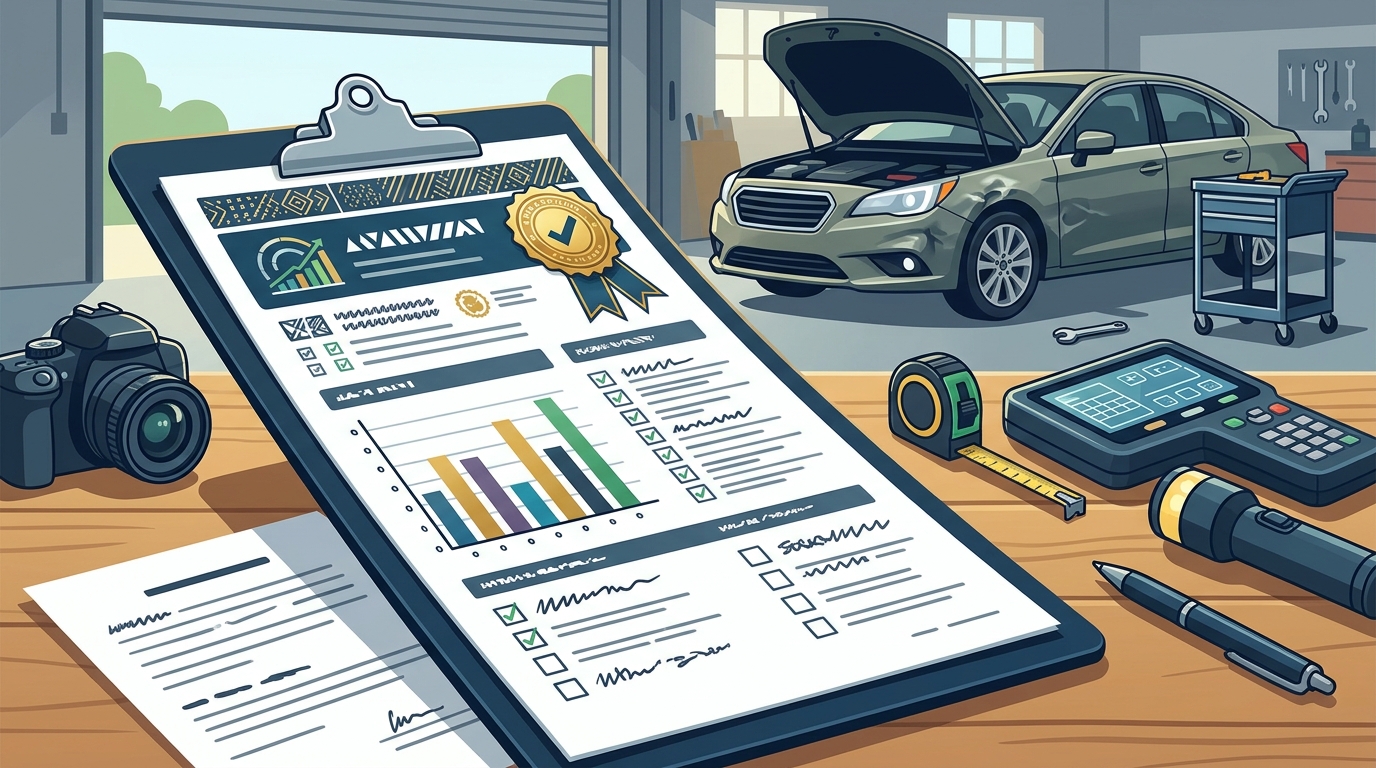
Not all independent valuation services are created equal. Some provide generic estimates, while others offer certified, litigation-ready appraisals. When selecting a provider, look for transparency in methodology and access to verified sales data. Vehicle Value Analysis provides tiered reports, from free market checks to expert-reviewed Platinum appraisals, ensuring you have the right level of documentation for your specific situation.
By choosing a provider that uses real market data, you shift the negotiation dynamic. You are no longer asking the insurer to trust their number; you are presenting them with evidence they must address. This approach empowers policyholders to secure the compensation they are rightfully owed.
Key Takeaways
- Insurance carriers have a financial incentive to minimize payouts, creating a conflict of interest in their valuations.
- Independent appraisers provide unbiased assessments based on verified, local market data.
- Proprietary carrier algorithms often lack the specificity of real comparable sales data.
- The appraisal clause in your policy allows for formal dispute resolution if values are contested.
- Independent reports can significantly increase settlement amounts, as seen in cases with thousands of dollars in additional recovery.
- Choosing a provider with access to millions of sales records ensures a more accurate and defensible valuation.
Frequently Asked Questions
Is an independent appraisal worth the cost?
Yes, in most cases. The cost of a professional report is often a fraction of the additional compensation recovered. If the carrier's offer is significantly below market value, the report pays for itself many times over.
Can I use an independent report in an appraisal clause dispute?
Absolutely. A certified independent appraisal is strong evidence. It shows the insurer that you have a credible, data-backed counter-argument, which often leads to a higher settlement before formal arbitration is needed.
What data do independent appraisers use?
Reputable independent appraisers use verified comparable sales data from your specific region. This includes recent sales of similar vehicles, adjusted for mileage, condition, and trim level, rather than generalized national averages.
How is an independent appraisal different from an online estimate?
Online estimates are often based on historical averages and broad data sets. Independent appraisals are tailored to your specific vehicle and local market conditions, providing a precise, defensible number rather than a range.
Do I need a lawyer to use an independent appraisal?
Not necessarily. Many disputes are resolved through negotiation or the appraisal clause without legal representation. However, if the dispute escalates, the report serves as a crucial document for your attorney.
Conclusion
Relying solely on an insurance company's valuation puts you at a disadvantage. By hiring an independent appraiser, you gain access to unbiased, data-driven evidence that supports your claim. Vehicle Value Analysis provides the tools and expertise to help you secure the fair compensation you deserve. To start your independent valuation, get your Gold Report today. Learn more: Contact Us Vehicle Value.